I. Adopting the World's Most Authoritative Early Childhood Education System — EYFS
Since 2000, the UK Department for Education has conducted a special research project that lasted 12 years, costing over £15 million, involving more than 7,000 experts, scholars, and teachers, and covering more than 20 countries worldwide. The study included long-term tracking of 3,000 children aged 3 to 11 from 141 various early childhood education institutions, and issued a total of 45,000 consultation documents. The findings confirmed that early education can more effectively promote the development of preschool children, and synthesized the most scientifically sound approaches to early childhood education.
In September 2008, EYFS was formally incorporated into the Childcare Act 2006 in England. It sets statutory standards, evaluation requirements, and expected outcomes for early education institutions across three key areas: Learning and Development, Assessment of Learning and Development, and Safety and Health. It has become the national standard for the learning, development, and care of preschool children in England, as well as the national curriculum standard for all kindergartens. Its scientific and authoritative framework has been widely recognized globally, making it one of the world's most authoritative standards for early childhood education. The EYFS framework emphasizes the holistic development of children, covering seven key areas: Communication and Language, Physical Development, Personal, Social and Emotional Development, Literacy, Mathematics, Understanding the World, and Expressive Arts and Design. It provides children with a continuous system of development and learning, enabling them to grow more effectively. Through the Observation-Assessment-Planning cycle, activities are individually designed for each child to ensure comprehensive development across all seven areas.
II. Strong Faculty Team
(1) Small Class Size + Three Teachers and One Teaching Assistant
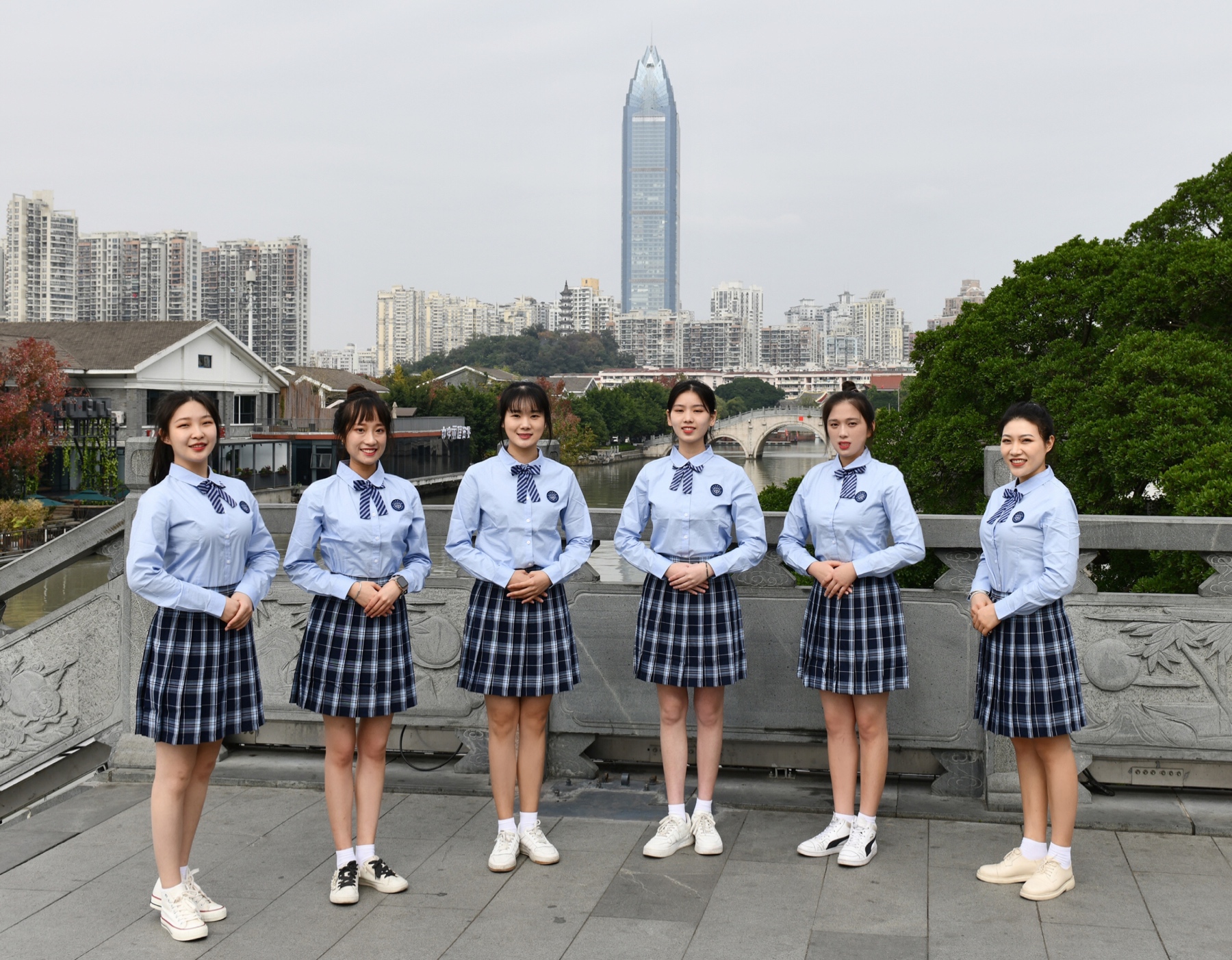
Beixinji implements a small-class system: nursery classes have no more than 18 children, while junior, intermediate, and senior classes have no more than 25 children each. All teachers have undergone comprehensive and systematic EYFS training and hold certified qualifications from the Dengshiting Early Childhood Program. Each class is staffed with "three teachers and one teaching assistant." The kindergarten provides a child-friendly and exploratory small-class educational environment, with a high teacher-to-child ratio that ensures teachers have a thorough understanding of every aspect of children's daily routines. The principle of "integrated care and education" provides children with a safer and more comfortable space for growth. At the same time, small-class teaching fosters interaction between teachers and children, allowing teachers to attend to each child's individual personality and needs, fully explore their potential and talents, and promote their physical and mental health as well as overall development.
(2) Chinese and Foreign English Teachers
Both Chinese and foreign English teachers work together to boost English language instruction. Among the three teachers in each class, one is a professional English teacher — either a returnee from an English-speaking country or a teacher with a CET-6 or higher qualification. They are stationed in the classroom full-time. These professional English teachers use a bilingual teaching approach in daily life and all educational activities, greatly enhancing children's English learning abilities and outcomes. In addition, to create an authentic and high-quality English language environment, while emphasizing the English proficiency of Chinese teachers, each age group is also assigned a dedicated foreign teacher who participates in classroom instruction.
(3) One-on-One "Key Person" Teachers
The EYFS framework assigns a "Key Person" to each child. While children are fully engaged in play and exploration within the EYFS curriculum, the teacher plays the role of a guide and observer. The teacher carries out their work through a cycle of Observation → Assessment → Planning. These observations and records are made possible through the "Key Person" system. The primary responsibility of the Key Person is to become a person whom the child can trust, rely on, and feel safe with while at the kindergarten. Based on observations of the child, the Key Person assesses and designs a personalized teaching plan, assists parents with home-based learning, provides appropriate guidance and suggestions for home education, and helps improve the child's overall learning environment both at school and at home.
III. The Most Scientific Educational Approach
(1) Personalized Teaching Plans Tailored to Each Child
Teachers carry out their work through a cycle of Observation → Assessment → Planning. Purposeful curriculum plans are designed for children of different age groups and developmental stages — including 0–11 months, 8–20 months, 16–26 months, 22–36 months, 30–50 months, and 40–60 months. The curriculum covers 7 areas of learning, 17 abilities, 28 early learning goals, and 117 assessment criteria, encompassing all aspects of children's development across every domain.
(2) Exclusive APP for Scientific Data-Based Assessment
Based on the data, teachers assess each child's developmental level and continuously adjust activity settings to tailor teaching plans for every child. Parents are also kept informed of their child's areas for improvement. Through positive and proactive collaboration between the school and home, we ensure that every child achieves balanced development across all seven areas of learning.
(3) Characteristics of Effective Learning
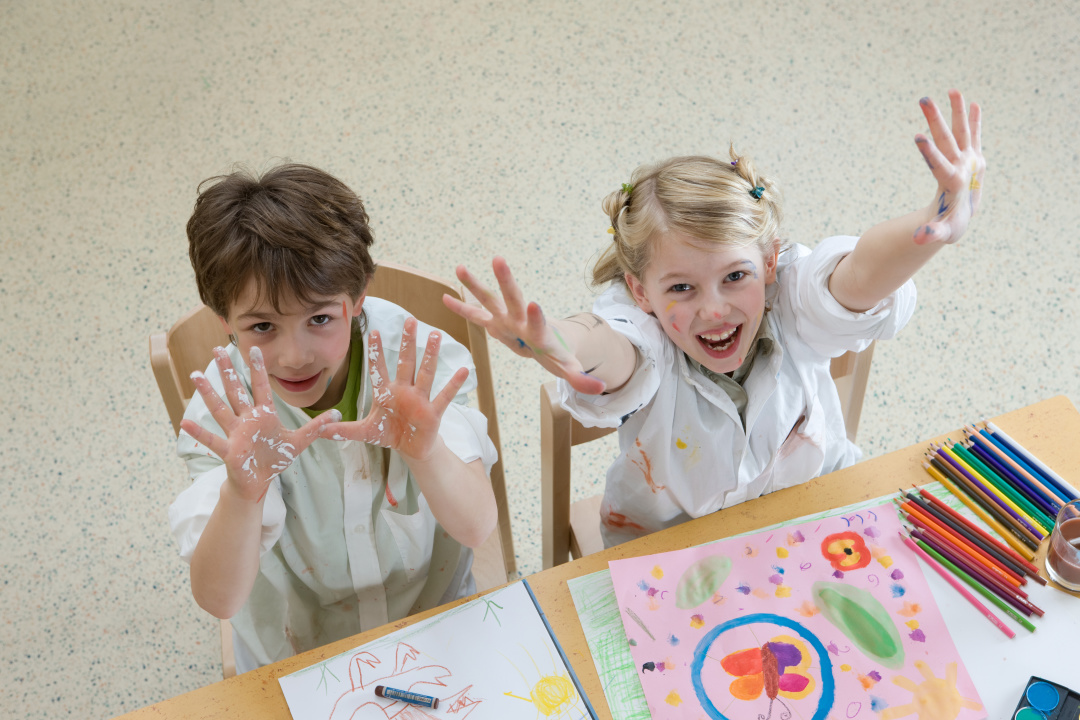
The characteristics of effective learning are: Playing and Exploring, Active Learning, and Creating and Thinking Critically — corresponding respectively to the behavioral traits of Engagement, Motivation, and Thinking. Children are naturally curious and eager to explore. Teachers in the EYFS framework respect children's learning approaches, allowing them to learn continuously through exploration and experience in play. In EYFS, the Key Person designs a variety of play-based activities based on observations of each child, promoting sustained learning and development. Children are fully immersed in the process of learning through play and playing through learning.
IV. First-Class Teaching Facilities Enhancing Teaching Quality
(1) Outdoor Facilities
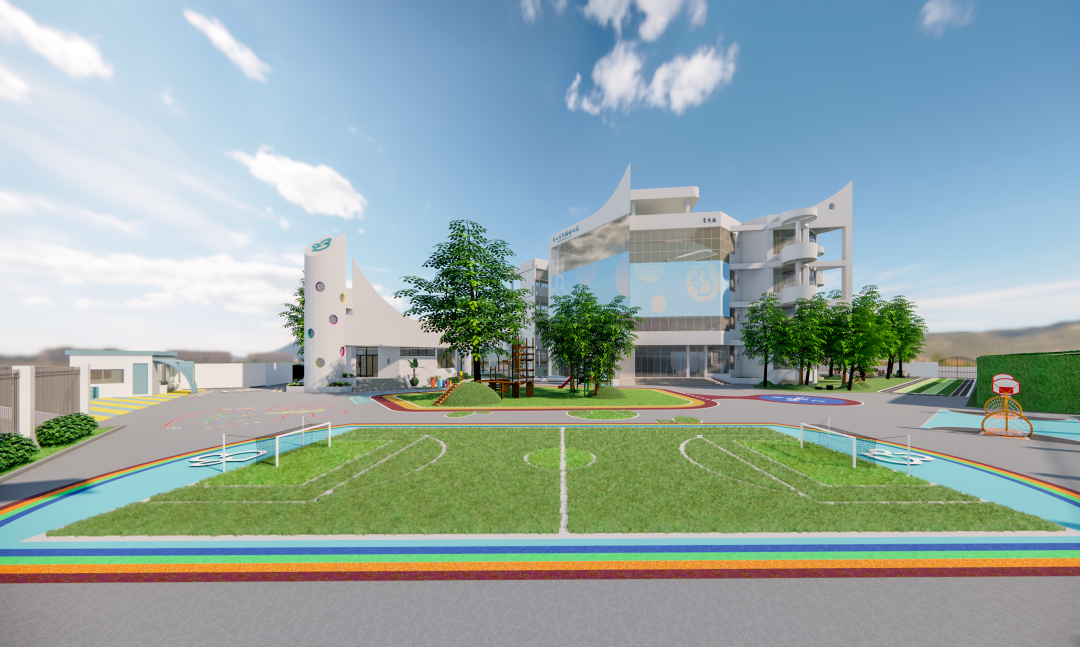
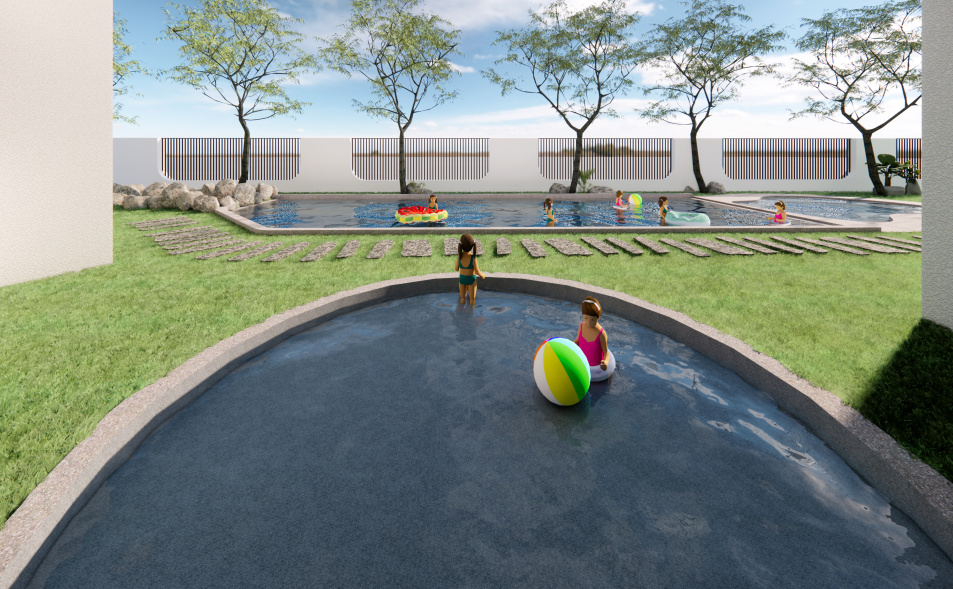
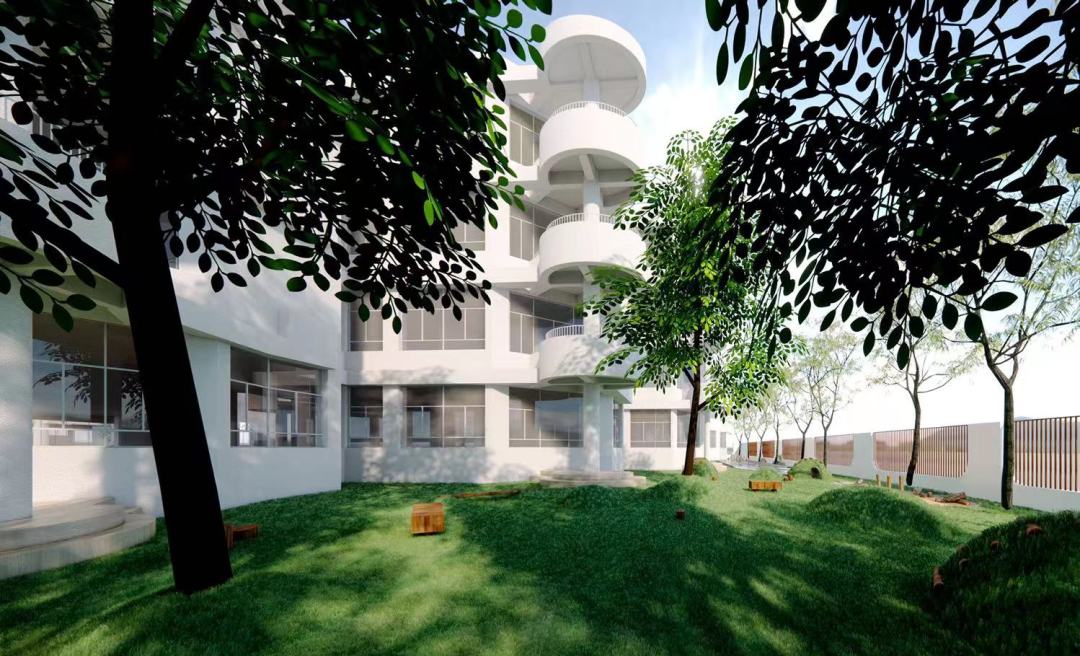
Beixinji's outdoor space is the largest among kindergartens in Lucheng District, Wenzhou, with an outdoor area exceeding 7,000 square meters. The grounds feature a golf course, football field, basketball court, running track, cycling path, insect corner, farming area, planting zone, sandpit, water play pool, mud kitchen, professional climbing wall, swimming pool, and more — creating a paradise for children's healthy growth.
Swipe left and right to view more
(2) Indoor Facilities
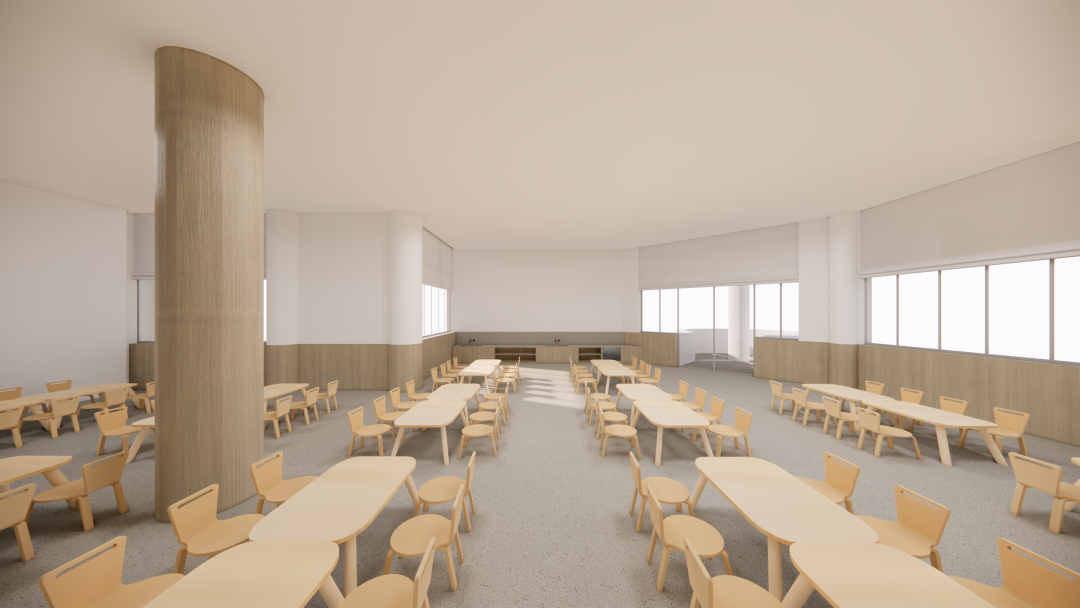
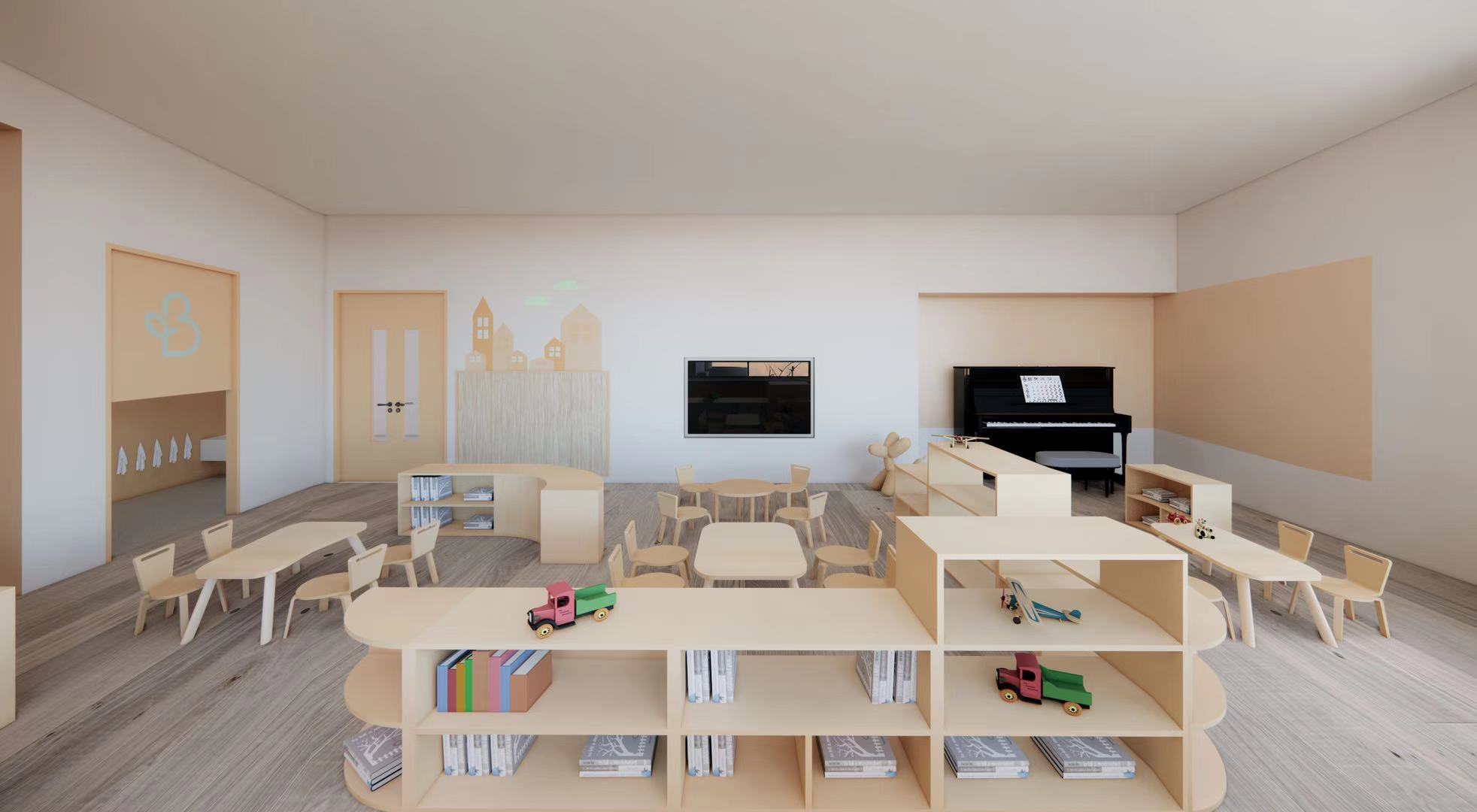
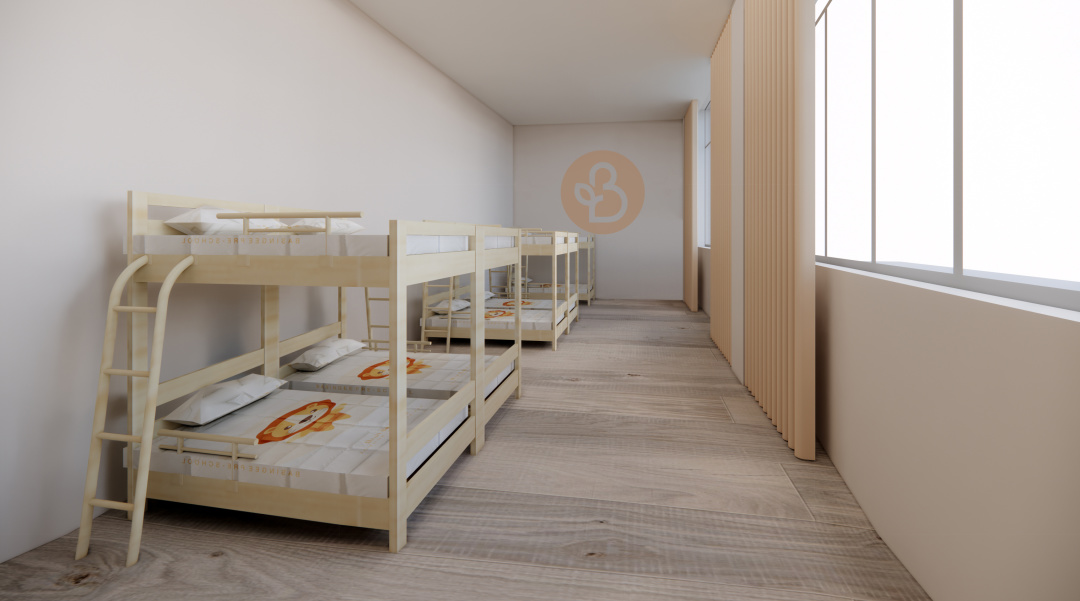
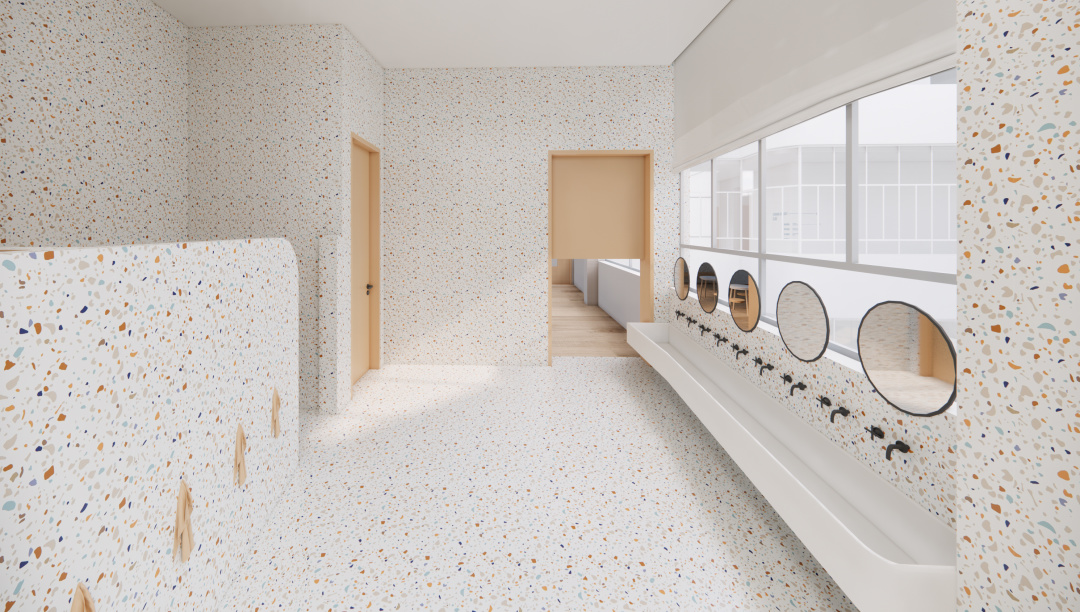
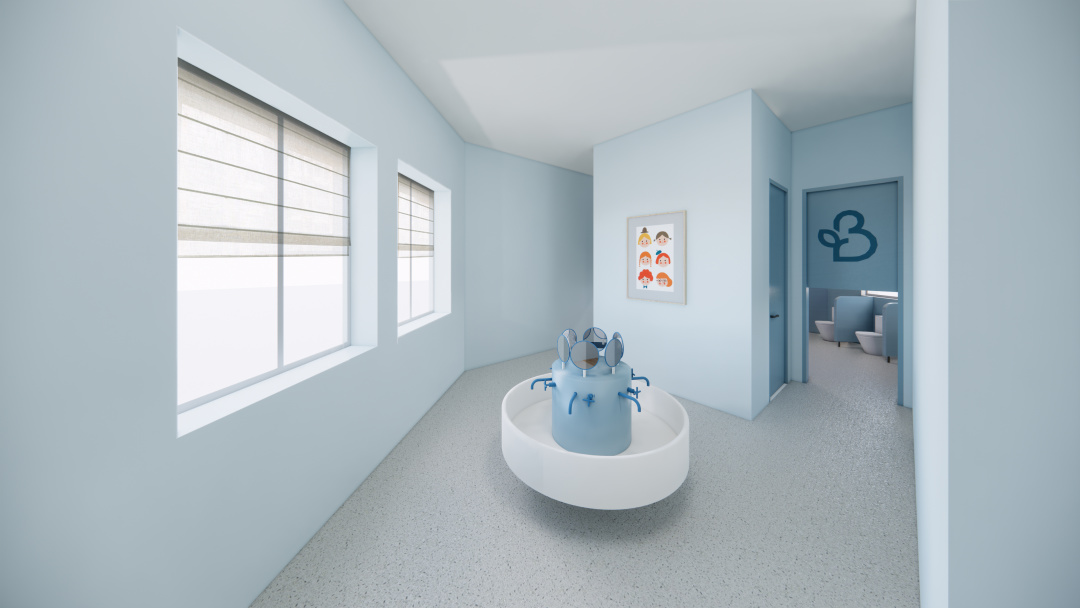
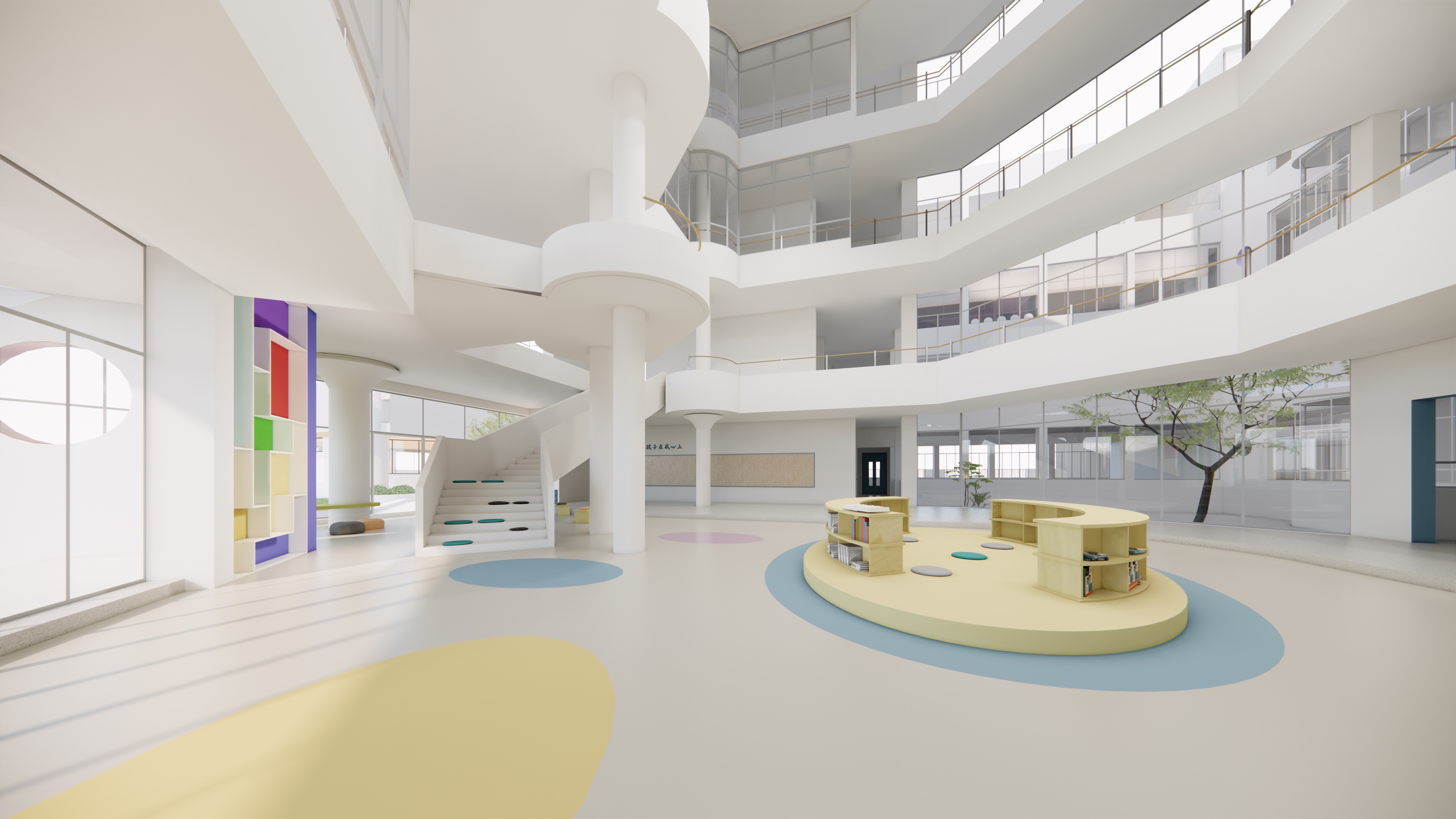
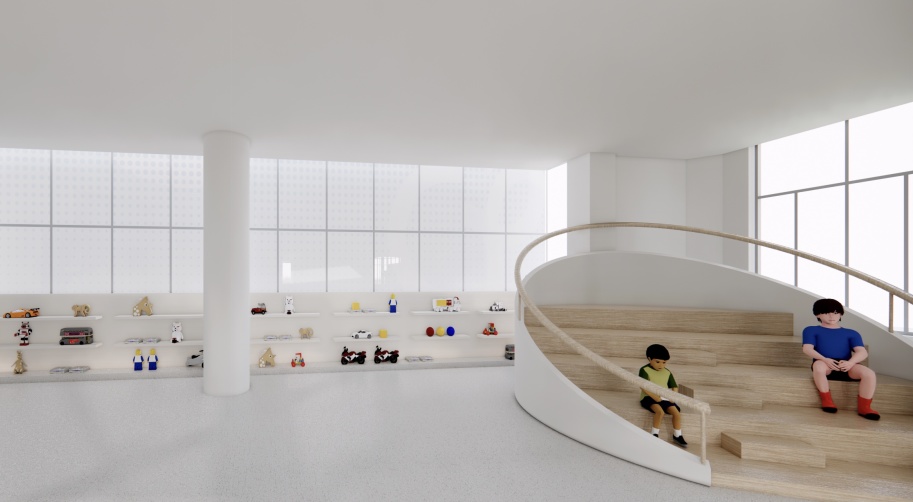
The main teaching building features spacious and bright specialized classrooms, each equipped with advanced multimedia teaching systems, custom furniture made of imported North American maple, diverse and well-designed learning zones, separate and quiet nap rooms, clean and comfortable restrooms, and pleasing color schemes. All of this allows children to grow independently in a comfortable and spacious environment.
Swipe left and right to view more
(3) Specialized Activity Facilities
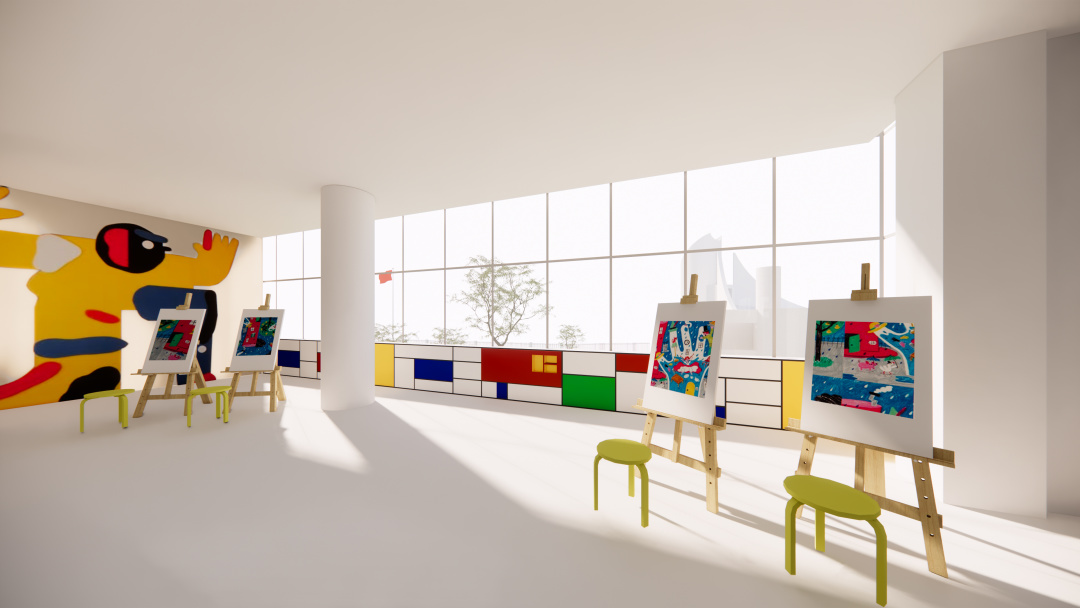
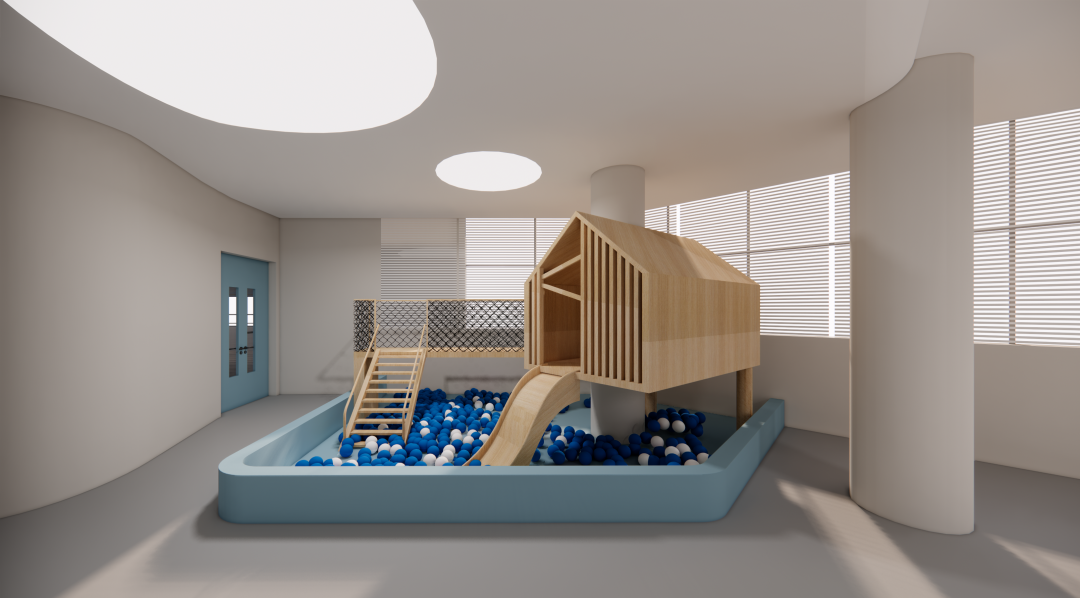
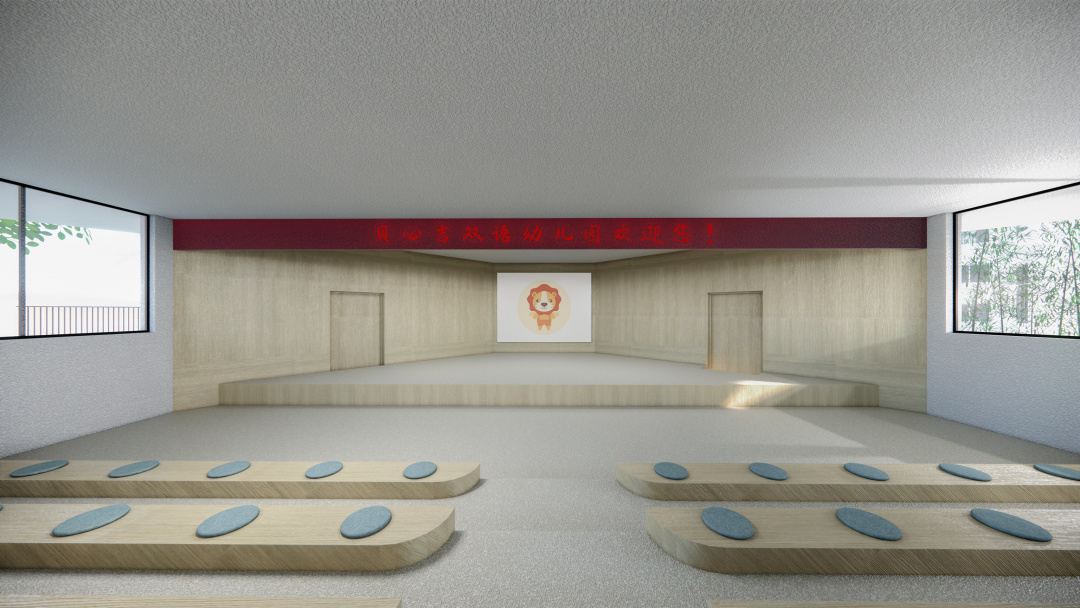
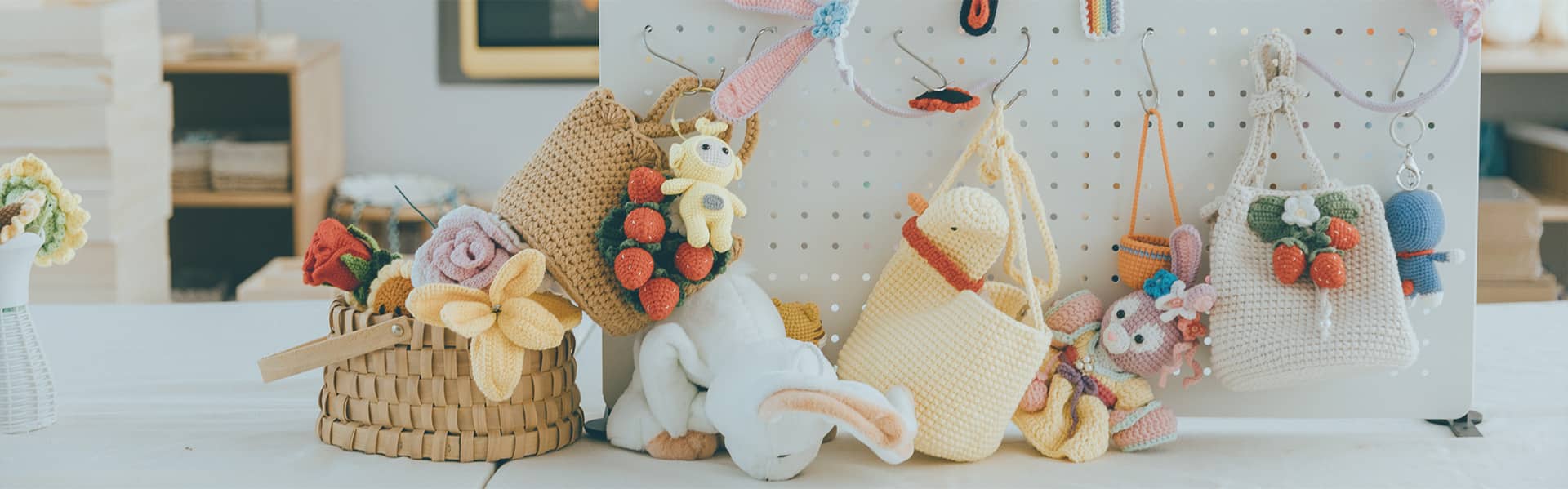
In addition to the specialized classrooms in the main teaching building, Beixinji has also created numerous featured educational spaces, including Science Exploration, Bilingual Picture Books, Traditional Culture, Art and Creativity, Little Chef DIY, and more. The secondary teaching building houses the Children's Performing Arts Center, equipped with professional-grade facilities such as the Dingdingdang Theater, the Diamond Stage, and the Golden Microphone Studio. These first-class facilities provide strong support for Beixinji to achieve its educational goals!
The best choice for parents, the best start for children. Dual-first-class, bilingual kindergarten — Beixinji welcomes all children!